Week Notes 26#43 (2 mins read).
What happened in the week of 2026-10-19?
by  Jamie Tanna
.
#week-notes.
Jamie Tanna
.
#week-notes.
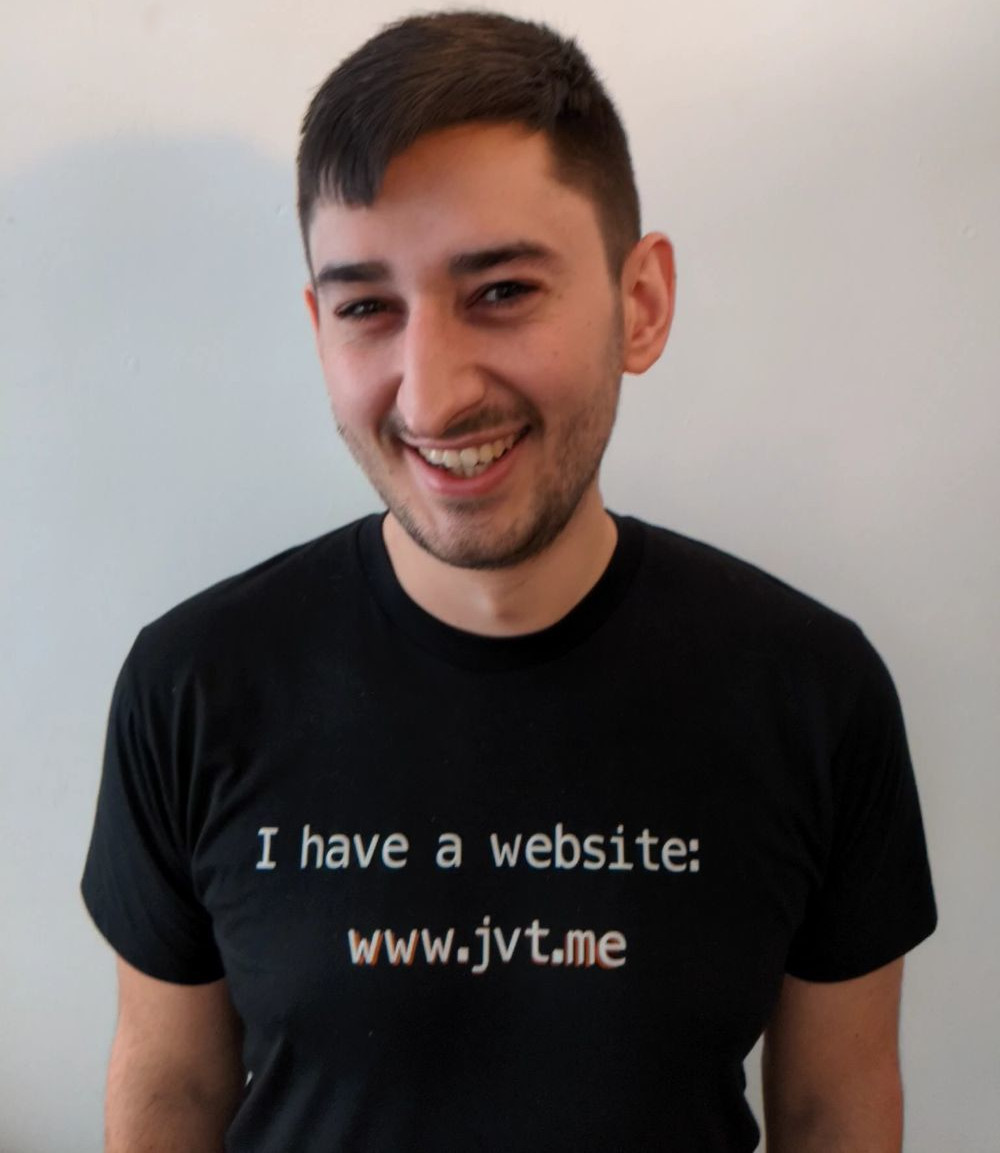
If you're referring to me, I'm happy being called Jamie, Jamie Tanna, jamietanna, and that you
respect my pronouns:
he/him/his.
I'm currently the Renovate project lead at Mend.
I currently live in Nottingham with my partner Anna Dodson and our cat Morph and our dog Cookie.
I use my site as a method of blogging about my learnings, as well as sharing information about projects I have previously, or am currently, working on in my spare time.
I'm an maintainer for a number of Open Source projects, including oapi-codegen, and Renovate, as part of my job at Mend.
I'm a GNU/Linux user, a big advocate for the Free Software Movement, and the IndieWeb movement and I try to self host my own services where possible, instead of relying on other providers.
I have ADHD (Inattentive Type) and am learning how to make my life work better around it.
Due to the many social media platforms and different ways to connect, I've captured all my contact information on my /elsewhere page. Alternatively, you can drop me an email at hi@jamietanna.co.uk.
I also have a /now page which aims to cover some more up-to-date "what I'm up to" information.
Week Notes 26#43 (2 mins read).
What happened in the week of 2026-10-19?
by Jamie Tanna
.
#week-notes.
I'm not sure claiming "everything is on fire" is the correct takeaway here There is a pile of flammable materials we've been ignoring for decades. It catches on fire sometimes. It caught on fire a lot this week And the people who put out the fires, for free, put the fire out again The current plan is to just keep throwing more oily rags on the pile. We could try to help the volunteers, but that costs more than adding oily rags to the pile
by Jamie Tanna
.
#open-source.
Positive comments from The Real Reviewers Lance Ulanoff at TechRadar: 'Satisfying' is the best way to describe the feeling of repeatedly opening and…

by Jamie Tanna
.
Lukewarm recommendations for improving AI agents' interactions with your projects (6 mins read).
A few small recommendations we've found with Renovate to improve how AI agents contribute to the codebase.
On this week's episode, Kris and Matt are joined by Fred Hebert and Reid Savage from Honeycomb to talk discuss building products with tiny teams, why code reviews are a useful bottleneck that we…
by Jamie Tanna
.
OpenCode Security Breach vLLM 0.32.0 released Flint Goose v1.55.0 released Apple announces Foundation Models framework NVIDIA insists RTX 5090 is not discontinued Linux Foundation Estimates 25% of New Pull Requests to be Low-Quality AI Slop CatwalkQwen3.6 27B price drop DeepSeek-V4.1-Flash-1017...
by Jamie Tanna
.
Do the 2026 Go Developer Survey, and tell them Cup o' Go sent you! Go 1.27.3 and Go 1.26.10 are released due to eMudhra Intermediate CA Compromise Interview with Ainsley ClarkAinsleyClark.com templ

by Jamie Tanna
.
For years, it’s been common knowledge among grant writers for open source tech that putting maintenance of existing code in a proposal can tank the whole thing. Funders, do you hear us now? Are you going to remember this week and let go of the new shiny object fixation?
by Jamie Tanna
.
#open-source.
Attached: 1 image Siri, show me the ADHD meme that goes harder than any other...
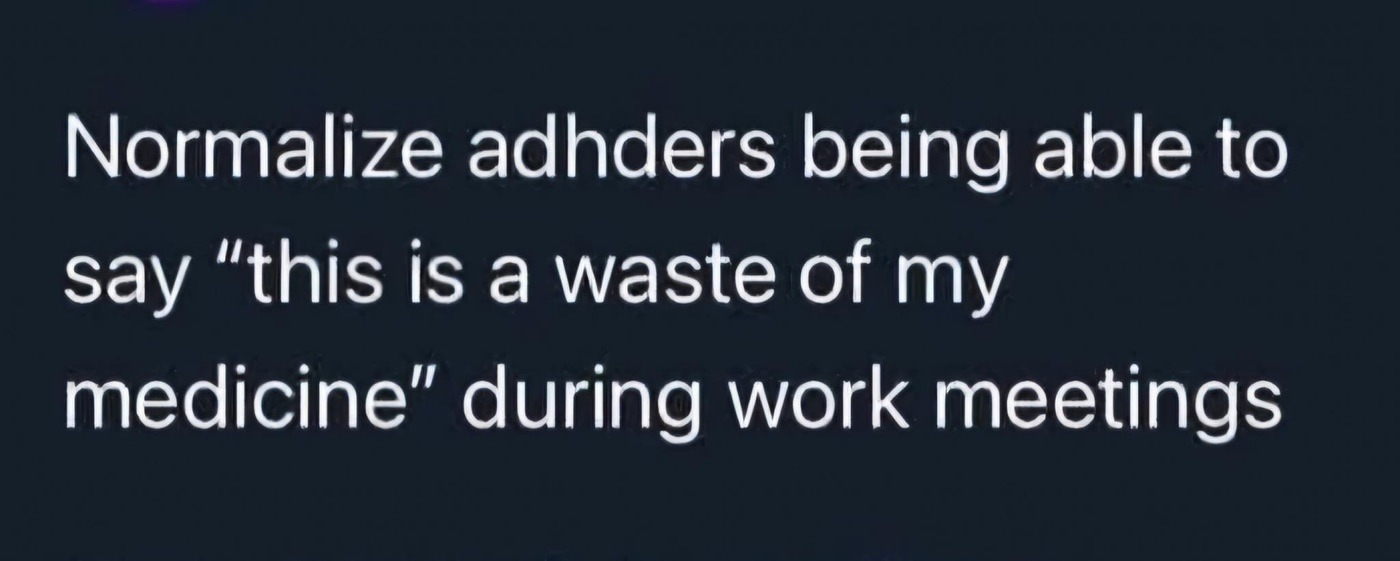
by Jamie Tanna
.
#adhd.
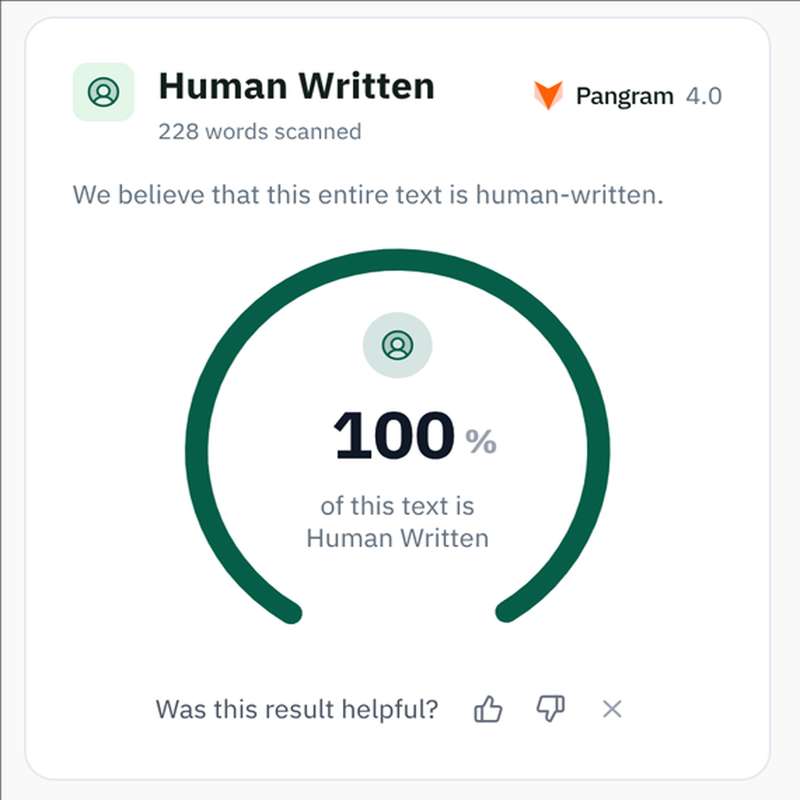
More and more, people are relying on AI to do their writing for them. Is this the new normal, or the intellectual equivalent of claiming take-out is your own home cooking? Max Spero, founder and CEO of Pangram, joined Bryan and Adam to discuss how they distinguish AI and human authorship. In...
by Jamie Tanna
.
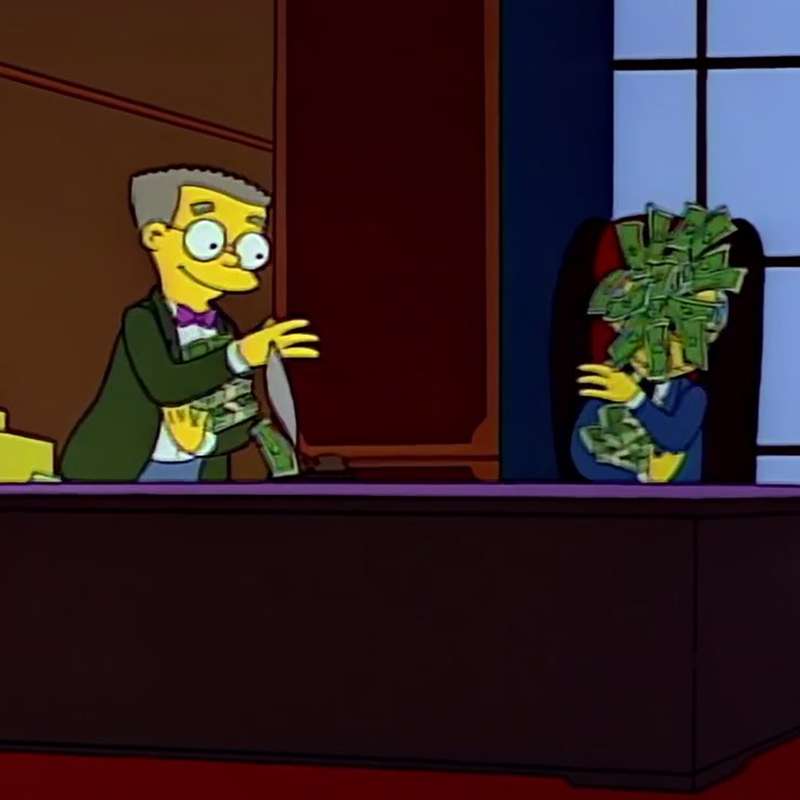
After raising $200M in February... we raised another $445M in July! Your favorite computer company is capitalized to the gills--enough to weather the supply chain upheaval even! Come for co-founders Steve and Bryan describing the raise; stay for tax, debt, and credit talk with Scott Orn. In...
by Jamie Tanna
.
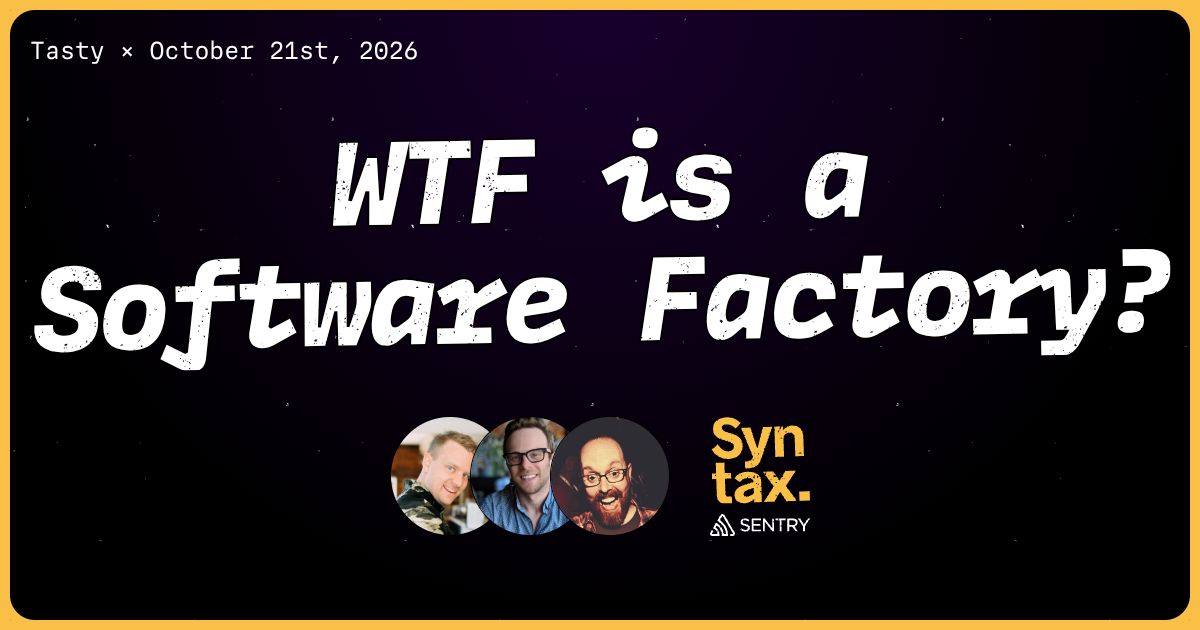
Adam Jacob of Swamp Club explains what software factories actually are, why they're not just slop cannons, and how to trust AI output with black box testing and architecture skills. Plus: should you delete your unit tests, and what do 10,500 LinkedIn engineers do now?
by Jamie Tanna
.
This week I'm talking with Zeno Rocha, CEO of Resend, about scaling "boring" email to 3 million users, the secret Go rewrite behind it, and building for agents. We cover pricing.md, MCP, spam gangs, and why Resend keeps what's next for email.
by Jamie Tanna
.
can we please end cyber security awareness month I have been made aware thanks
by Jamie Tanna
.
Quinn and Thorsten sit down together in San Francisco to answer the question they get asked most: how does the Amp team work? They walk through a week at Amp, from Thorsten's Sunday post and the single Monday meeting to writing down goals in silence. They explain why Amp has no quarterly goals, no departments and no territory, and how feature flags and the work in progress, orb good and orb bad channels keep a team of 21 in sync. They also cover reviewing changes with agents, pushing to main without mandatory code review, and why they think more companies will soon work like this.

by Jamie Tanna
.
The problem for cybersecurity enjoyers is that there hasn’t been enough incidents to achieve the regularity and excitement of say, watching sports. Finally, with AI we have solved this

by Jamie Tanna
.
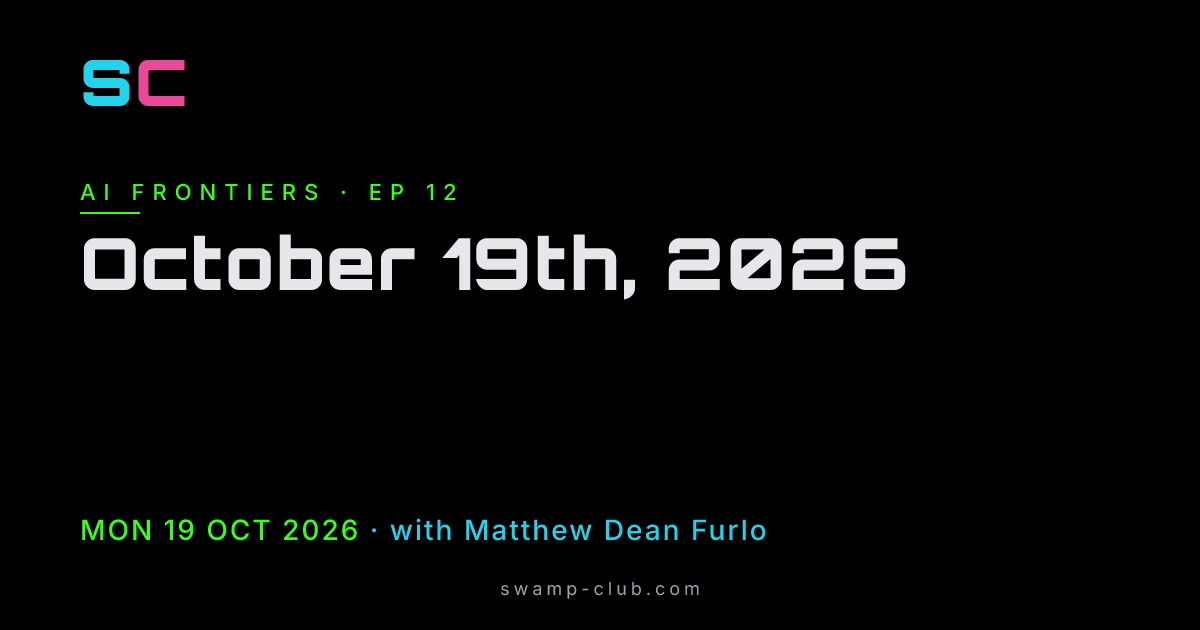
Episode 12 of AI Frontiers with Matthew Dean Furlo. Industry experts run down all the AI news for engineers. Adam Jacob, Paul Stack, and Nick Stinemates…
by Jamie Tanna
.
#Hugops to basically everyone rn

by Jamie Tanna
.
web developer: oh hey you guys are back early infra: four's haunted web developer: what? infra: *loading a pistol and getting back on the computer* four's haunted

Being more explicit with the limited AI usage in my blog posts' content (2 mins read).
Adding more user-facing structured metadata for the ~0.2% of my posts that include any AI content.
by Jamie Tanna
.
#www.jvt.me
#ai
#ethics
#llm.
Welcome to the inaugural episode of Slop Overflow! In this episode, Jonathan Hall and Miriah Peterson dive into the latest breakthroughs in open-source AI, local hardware, decision models, and developer tools. Microsoft brings more AI to PCs as it challenges Apple NVIDIA DGX Spark 64GB Gives...
by Jamie Tanna
.
ProposalsAccepted: support for acme profiles New: crypto/tls: Profiles Blog: Always Active: Faking Microsoft Teams Green Status in Go Interview with Daniela PetruzalekLinkedIn Blog: danicat.dev Ebitengine Golab, Nov 1-3, Bologna, Italy
by Jamie Tanna
.
eBay users! Don't ignore today's email, even though it looks like a boring standard update to the User Privacy Notice. They want to use your data to train AI models. If you click the link over the words "the right to object", it takes you to a page with a toggle button letting you opt out.

by Jamie Tanna
.
I gave a talk at EMF titled "Men in Tech #YesAllMen", in which I told my experience of being a woman in tech. I was afraid to publish it in case it affected my current or future employment. With all the current news I would like to add my 2¢. So here is the recording: https://youtu.be/WXL6K1lhvt0?is=WlfZvJ34TeIB-SUu

by Jamie Tanna
.
“Fuck you you fucking whore. Fuck you”. A text I received from a colleague I was told was “too valuable to reprimand". I'm so tired of ...

by Jamie Tanna
.
#culture
#diversity-and-inclusion
#feminism.
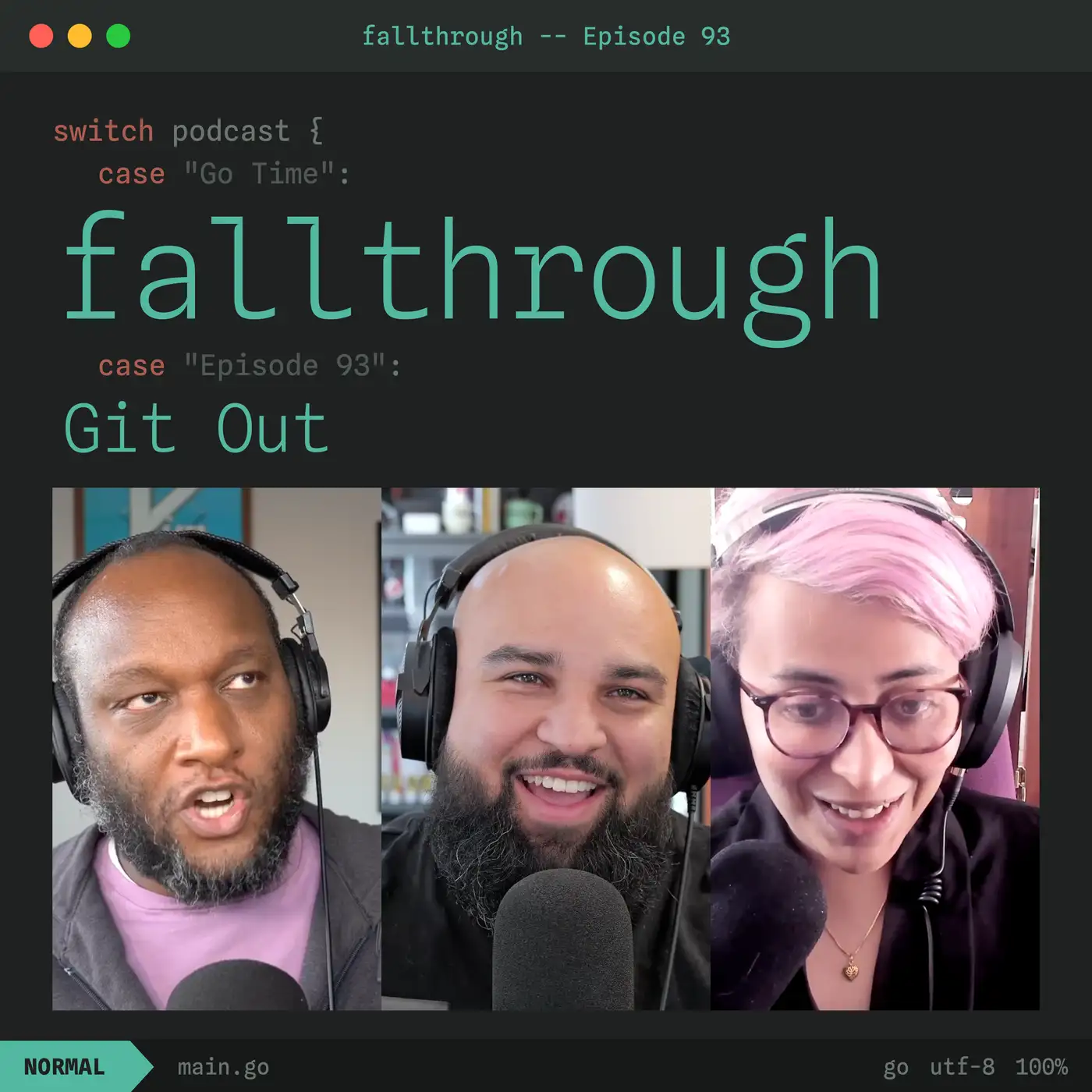
Change is challenging but quite often the tools that we used to solve yesterday's problems are unfit for tomorrow's problems. In this episode, Kris and Matt are joined by Rain Paharia, one of Matt's…
by Jamie Tanna
.
Week Notes 26#42 (2 mins read).
What happened in the week of 2026-10-12?
by Jamie Tanna
.
#week-notes.
Writing to AWS S3 from Fly.io (in Go) (4 mins read).
How to use OpenID Connect to authenticate to AWS from Fly.io, without long-lived credentials in Go.
by Jamie Tanna
(with some some LLM-derived content 🤖).
#blogumentation
#go
#fly.io
#aws
#oidc.
Making an optional, required, status check with GitHub Actions (7 mins read).

Avoiding the dreaded Expected — Waiting for status to be reported when trying to make a status check optional.
Reattaching tmux to your Xorg session (2 mins read).
How to stop Can't open display: (null) errors blocking you interacting with Xorg in tmux, for instance after an X crash.
How Did This Get Made? · Episode

by Jamie Tanna
.
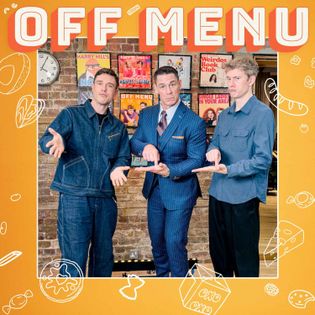
Listen to John Cena from Off Menu with Ed Gamble and James Acaster. WWE legend-turned-acting A-lister John Cena is this week’s dream diner. He sits down with Ed and James to talk about his coffee obsession, wrestling tips and how to power through promo when you’re not feeling your best…Trigger warning: this episode contains chat about counting calories. John Cena stars in ‘Matchbox The Movie’ which is out now on Apple TV. Watch it here.Follow John Cena on Instagram @johncenaWatch the video version of this episode on the Off Menu YouTube.Off Menu is now on YouTube: @offmenupodcastFollow Off Menu on Instagram and TikTok: @offmenuofficial.And go to our website www.offmenupodcast.co.uk for a list of restaurants recommended on the show.Ed Gamble is on tour in 2027 with ‘Fresh Hell’. For dates and tickets go to edgamble.co.ukOff Menu is a comedy podcast hosted by Ed Gamble and James Acaster.Produced, recorded and edited by Ben Williams for Plosive.Video production by Ben Williams and Megan McCarthy for Plosive.Artwork by Paul Gilbey (photography and design).
by Jamie Tanna
.
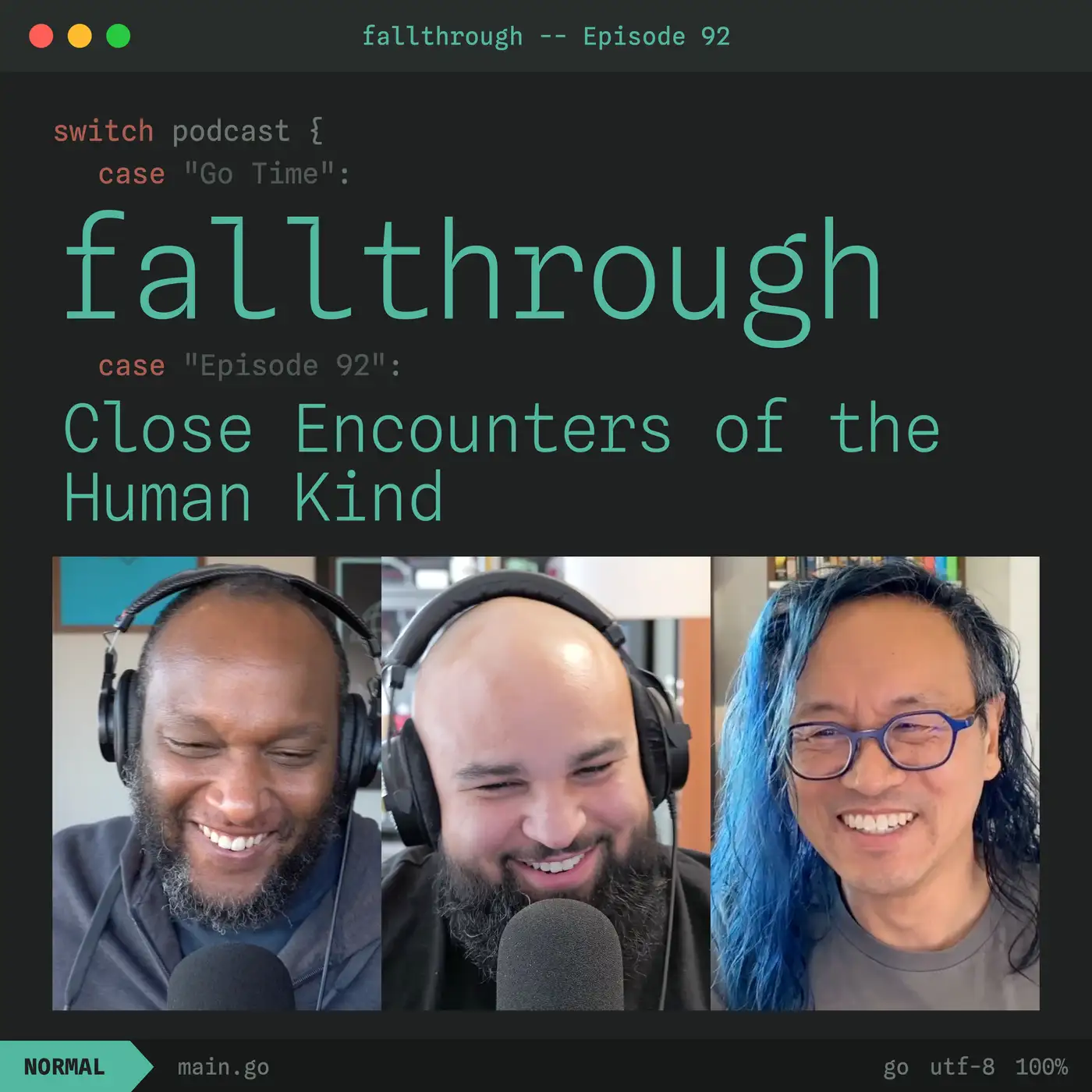
How should we spend our time now that writing code is cheap? In this episode, Kris and Matt are joined by Doug Soo, a staff engineer working on the storage systems at Honeycomb. They discuss his…
by Jamie Tanna
.
What does Stack Overflow’s 2026 Developer Survey reveal about software engineering, career insights, and engineering culture? The Overcommitted hosts unpack the findings, discuss what they mean for developers, and share the trends they’re watching across the profession.LinksDeveloper survey: https://survey.stackoverflow.co/2026 Ed from Polytoken: https://youtu.be/YrmR6EZ5Y1U HostsOvercommitted: https://overcommitted.dev Bethany Janos: https://www.trustyduck.devBrittany Ellich: https://brittanyellich.com Erika Eggemeyer: https://github.com/eggyhead
by Jamie Tanna
.
Listen to Paul F. Tompkins (Tasting Menu) from Off Menu with Ed Gamble and James Acaster. Fan favourite from way back in Series 3 of Off Menu, US podcasting royalty and ‘Bojack Horseman’ star Paul F. Tompkins returns to the Dream Restaurant for a Tasting Menu. Listen to Paul’s original episodeListen to Paul F. Tompkins’s podcasts ‘Spontaneanation’ and ‘Threedom’ wherever you get your podcasts. Follow Paul on Instagram and TikTok @pftompkinsDon’t forget, video episodes of Off Menu are out every Wednesday on our YouTube.Off Menu is now on YouTube: @offmenupodcastFollow Off Menu on Instagram and TikTok: @offmenuofficial.And go to our website www.offmenupodcast.co.uk for a list of restaurants recommended on the show.Off Menu is a comedy podcast hosted by Ed Gamble and James Acaster.Produced, recorded and edited by Ben Williams for Plosive.Video production by Ben Williams and Megan McCarthy for Plosive.Artwork by Paul Gilbey (photography and design).
by Jamie Tanna
.
We’re in sunny Los Angeles and our first Hollywood guest is podcasting king and ‘Bojack Horseman’ star Paul F. Tompkins!
by Jamie Tanna
.
Welcome to Continue: Go Proposals edition! Each edition of this show will handle a specific topic that can be covered continuously. This edition is for Go Proposals. Each week Kris and Matt will…
by Jamie Tanna
.
Seems like more than one! Visit cupogo.dev for all the things. This week: Go 1.27.2 and Go 1.26.9 are released Accepted: add cgo without a C toolchain as a GOEXPERIMENT (and the original one) Accepted: deprecate DNSConfigError Lightning round:Job with Dave! Update on past news: "proposal: spec:...
by Jamie Tanna
.
Episode 11 of Infrastructure Frontiers with Mahir Lupinacci. Industry Experts run down all the AI news for Infrastructure Engineers. Adam Jacob, Paul…
by Jamie Tanna
.
Open Source Security is a media project to help showcase and educate on open source security. Our goal is to give the community a platform educate both developers and users on how open source security works. There’s a lot of good work happening that doesn’t get attention because there’s no marketing department behind it, they don’t have a developer relations team posting on LinkedIn every two hours. Let’s focus on those people and teams then learn what they do and how they do it. The goal is to hear from the people doing the work, they know what’s up, they have a lot to teach us. We just have to listen.

by Jamie Tanna
.
You're currently viewing page 1 of 184, of 9186 posts.